
Kanazawa
Gold-leaf, tea houses and a living craft tradition.
3体验与指南¥1,760+站内最低价英语友好
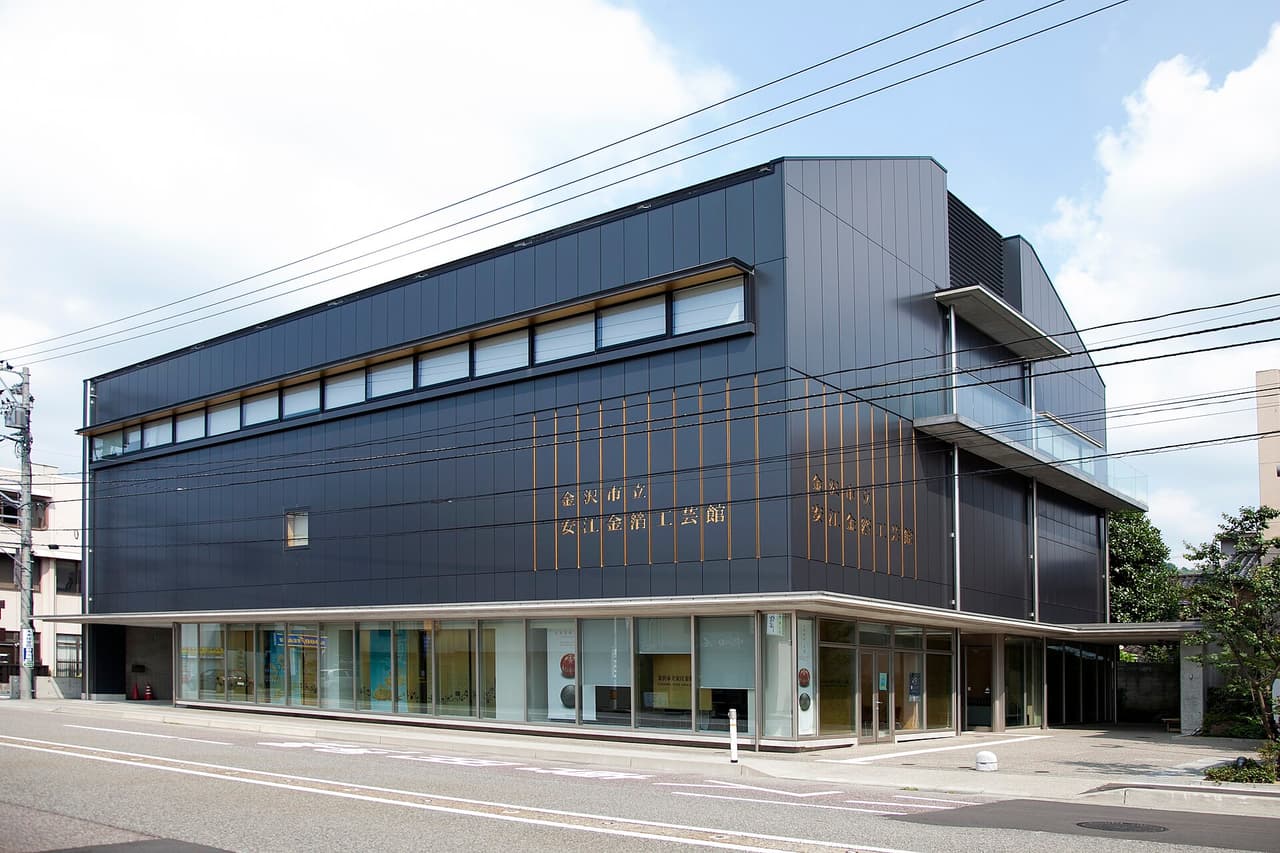
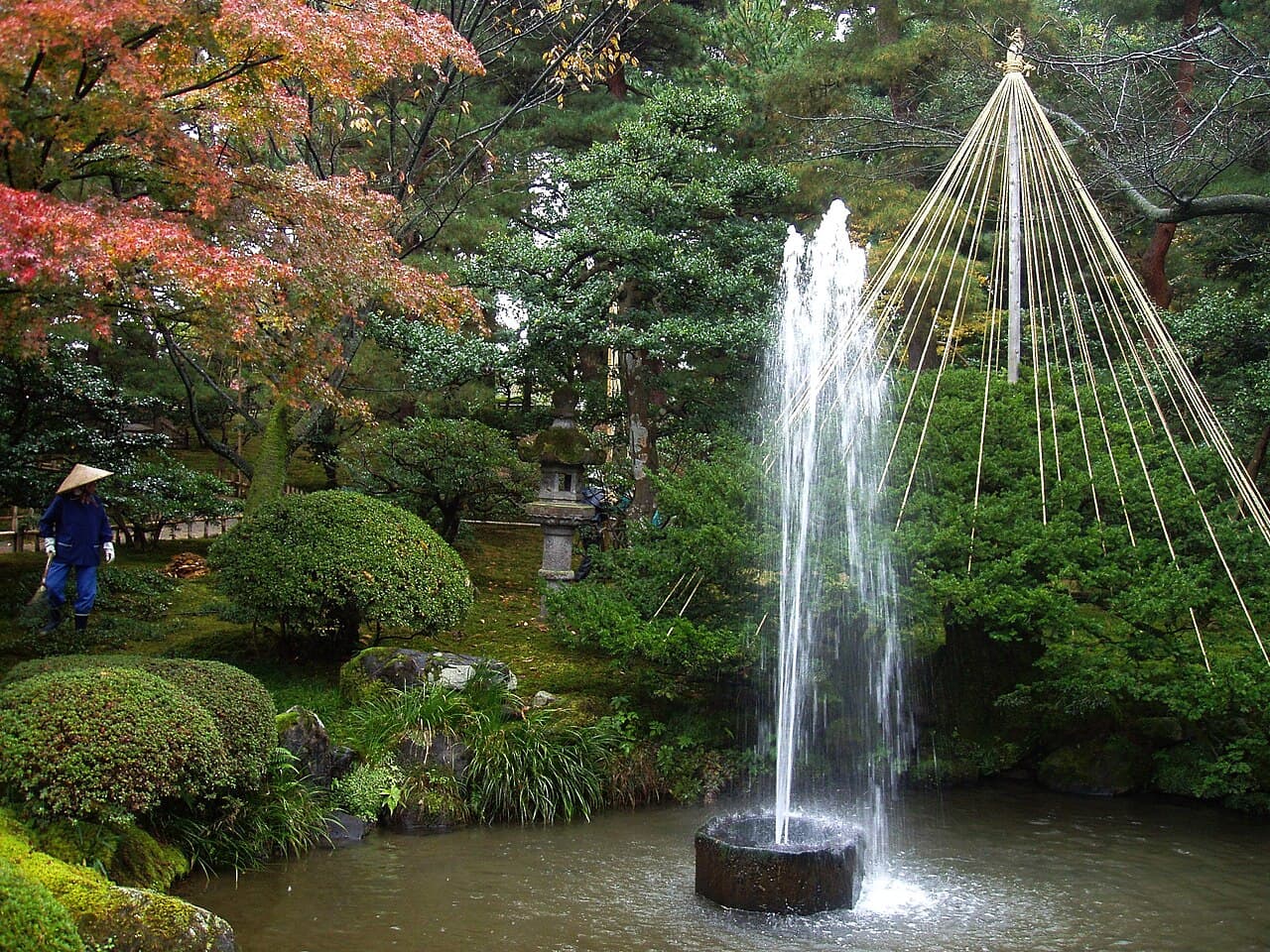
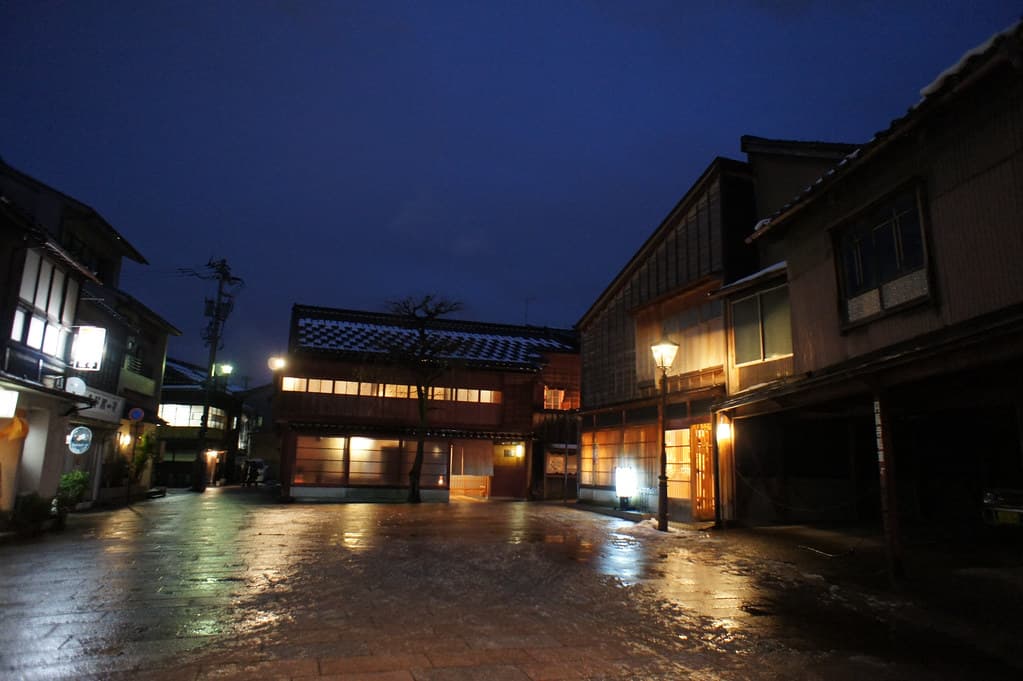
本市体验 Kanazawa · 体験全部城市 →
ExperienceGold leaf experience in Kanazawa — prices, workshops, and how to book (kinpaku)Kanazawa makes about 99% of Japan's gold leaf, and you can apply it yourself to a plate, a mirror or chopsticks from around ¥1,760 — most workshops take 20 to 70 minutes and need a reservation.From about ¥1,760 for a 60-minute workshop in the Higashi Chaya district, per VISIT KANAZAWA. Hakuichi's Master Course items run ¥2,000 (small plate, small box, hand mirror) to ¥4,000 (lacquer tray or plate); its Wizard Course runs ¥2,000–¥2,500; a simple gold-leaf transfer is ¥2,000. Hakuza's plans are ¥1,980 (Light, 30 min), ¥6,600 (Standard, 60–70 min) and ¥16,500 (Master, 90–100 min).Tea ceremony金泽茶道体验——英语友好度最高的几个选择(附预约方法)从兼六园内的茶亭到町屋里的私人体验课,这里整理了金泽真正可以预约到的英语友好茶道体验,附真实价格和各自的预约方式。每人1,700日元起(仅抹茶配和果子,无需预约);正式茶道体验课程5,000日元起Geisha cultureGeisha District Kanazawa — the best English-friendly experiences (and how to book)Kanazawa's Higashi Chaya teahouses were traditionally introduction-only — these are the official, tourist-friendly ways to actually see a geiko perform.From ¥5,000 per person
出发前先读 · 心得
KanazawaNara Autumn Leaves 2026: Peak Forecast, Best Spots & Light-UpsNara's autumn leaves are forecast to peak from mid to late November 2026: Tanzan Shrine from about Nov 19, Hasedera Nov 21, Nara Park and Shoryakuji Nov 23, Murouji Nov 28 (Weathernews). Murouji's nine light-up nights, prices and access, checked on official sites on October 2, 2026.KanazawaFuji Five Lakes Autumn Leaves 2026: Kawaguchiko Peak Forecast, Spots and BusesKawaguchiko's lakeside maples are forecast to peak from about 17 November 2026 (Weathernews), and the Fujikawaguchiko Autumn Leaves Festival light-up runs 7–29 November until 21:00. Spot-by-spot forecasts for the Momiji Corridor, Oishi Park, Lake Saiko, Lake Yamanaka and Koyodai, plus bus and Fuji Excursion times and fares, checked 2 October 2026.KanazawaPrivate Onsen in Tokyo for Day Use: 7 Bookable Private Baths (5 in Tokyo, 2 in Hakone) with Prices, Time Slots and Tattoo RulesOf the 7 private baths on this page, the cheapest is Sayanoyudokoro at ¥2,100 an hour (plus admission); couples can book Ariake's 90-minute private bath from ¥6,000, and Hakone Yuryo is the one place here that states it has no tattoo restriction (from ¥10,400 per room for 2 hours). Prices, slots, booking and tattoo rules for 7 facilities, checked on official pages on 24 September 2026.KanazawaOnsen in Kyoto: Kurama, Arashiyama, Ohara and City Baths, With Tattoo Policies (2026)We checked the official sites of nine Kyoto onsen and day-use baths on 2026-09-24. Kurama Onsen accepts tattoos; Ohara no Sato asks you to cover them with a towel. Fufu no Yu, Tenzan no Yu, Hana no Yu and HOTEL KUU KYOTO refuse them. Hours, prices and access in one table.