
Nara
The first capital — ancient temples, ink and quiet ritual.
3체험과 가이드¥1,200+게재 중 최저가영어 가능
이 도시의 체험 Nara · 体験모든 도시 →
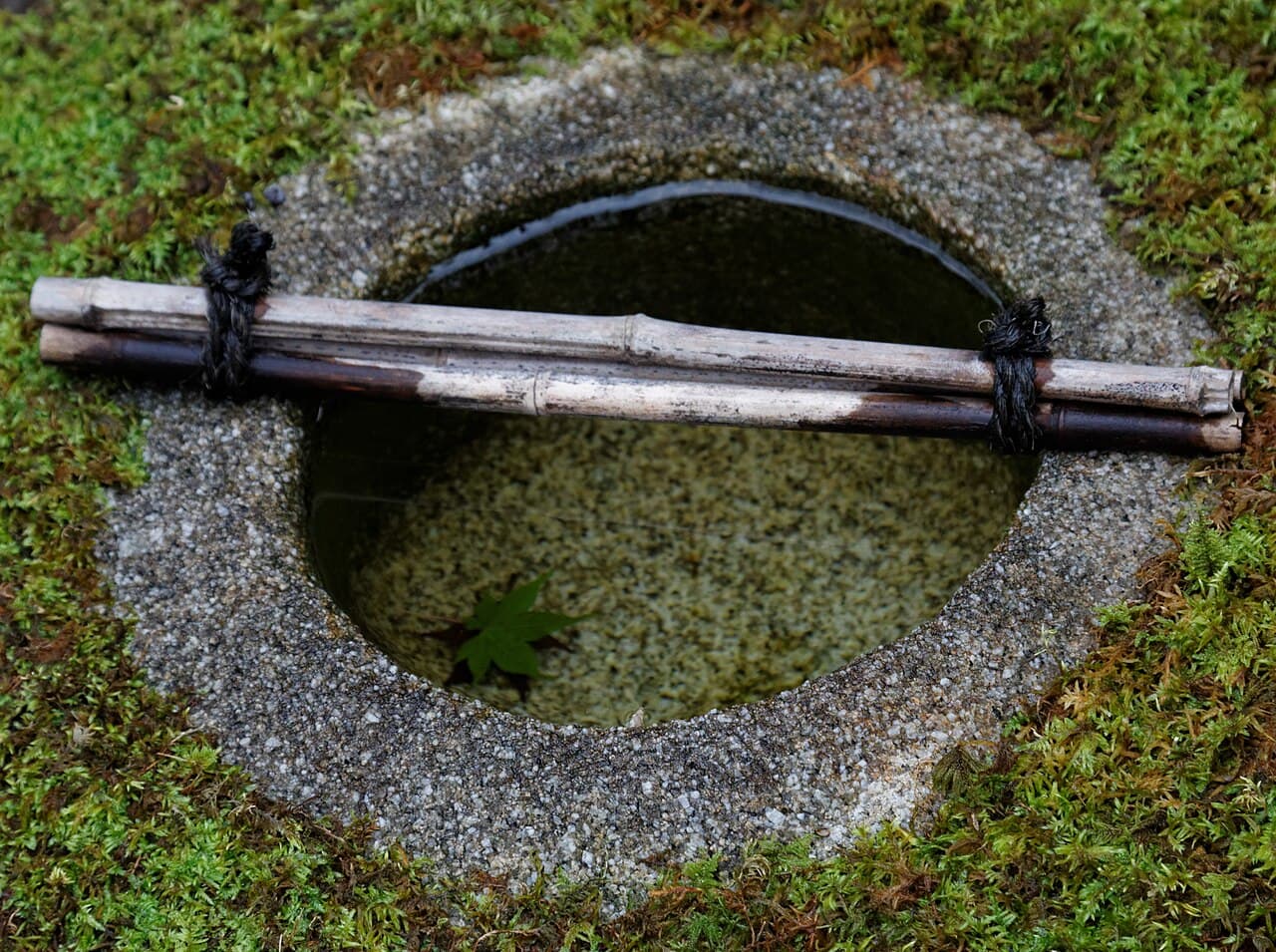
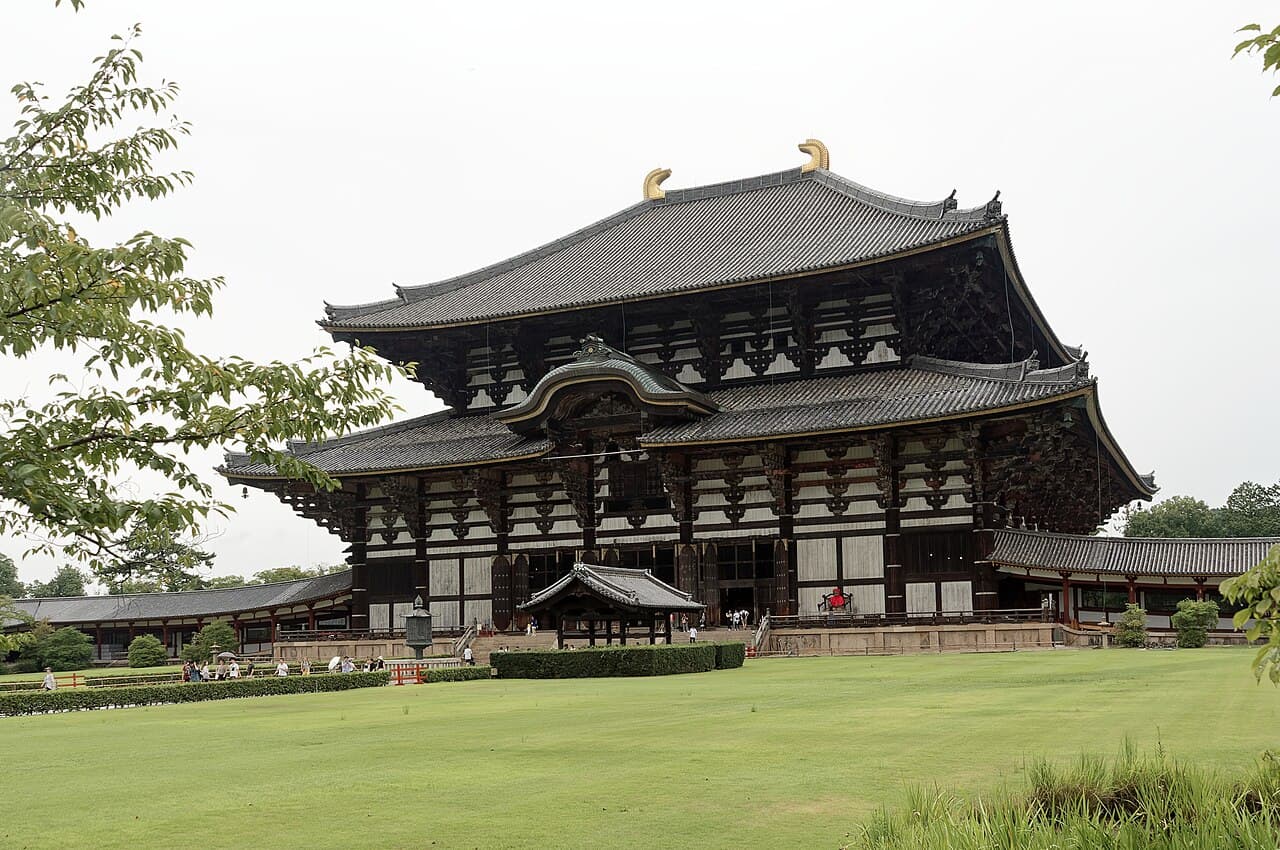
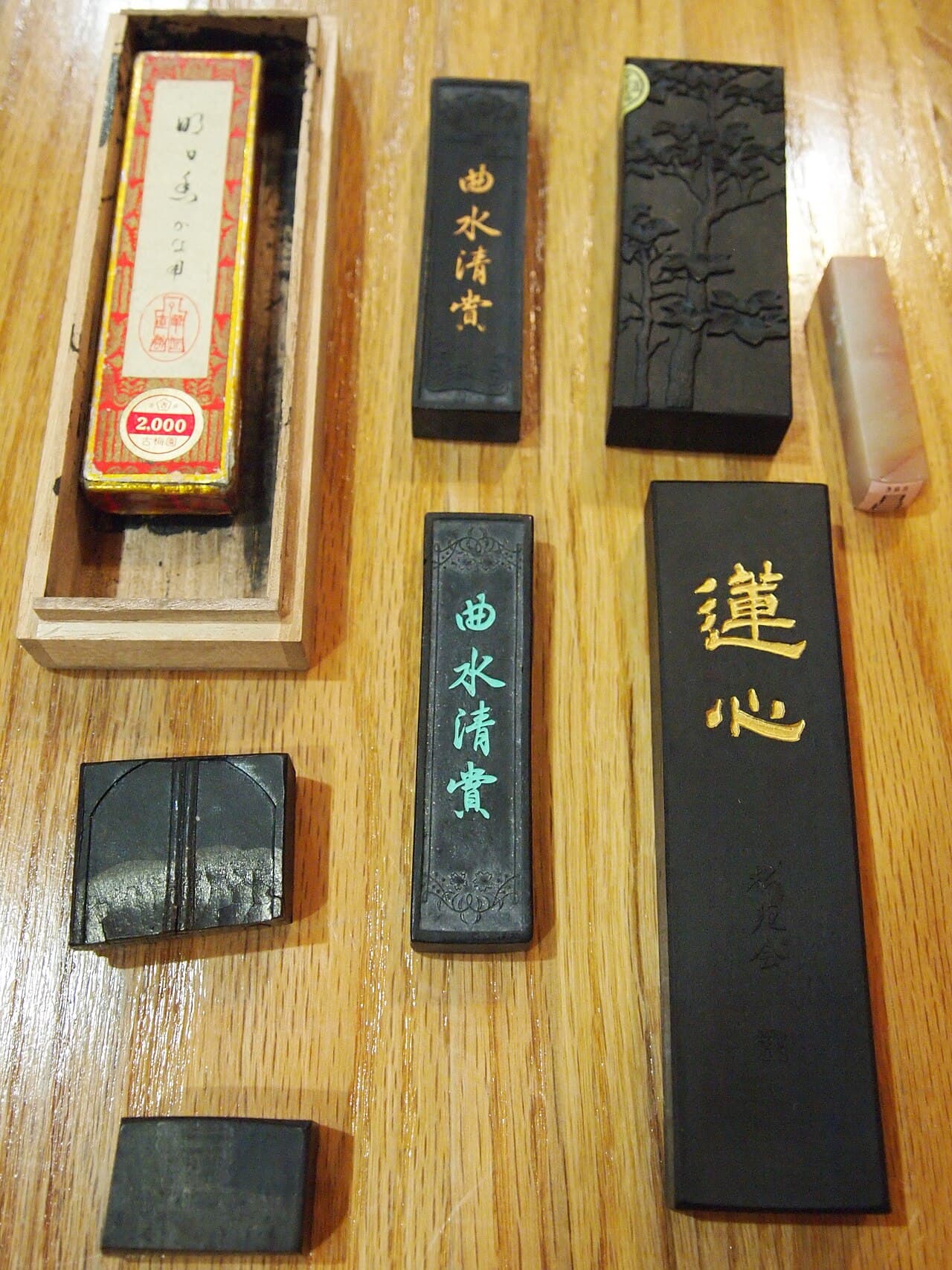
Tea ceremonyTea Ceremony in Nara — Isuien Garden's Sanshu-tei Teahouse (walk-in or guided, book)Sip matcha inside Isuien Garden's centuries-old Sanshu-tei teahouse for about ¥2,400 total (garden admission + tea, no reservation), or book a 2-hour English-guided garden tour with tea ceremony from ¥12,375 — both a 15-minute walk from Nara's stations.Independent: ¥1,200 garden admission + ¥1,200 matcha at Sanshu-tei (about ¥2,400 total, pay separately, no reservation). Guided: from ¥12,375 per person for a 2-hour English-guided tour including teaKimono rentalKimono Rental in Nara — comparing the two English-friendly shops (and how to book)Rent a kimono near Nara's two stations and walk it through Nara Park and Todaiji — Waplus Nara from ¥12,000 all-inclusive with instant online booking, or Enishiya from ¥6,500 a short walk from the temples.From ¥6,500 per person (Enishiya) to ¥12,000 per person all-inclusive (Waplus); optional hair styling ¥1,950–¥2,200Sumi inkSumi Ink-Making in Nara — Kinkoen's 150-Year Workshop (book direct)Press and shape your own stick of Nara ink by hand at Kinkoen, a 150-year-old family workshop 3 minutes from JR Nara Station — ¥3,300, 30–40 minutes, reserve by 9 PM the day before.¥3,300 per adult, tax included (¥1,650 for high-school age and younger)
가기 전에 읽기 · 心得
NaraNara Autumn Leaves 2026: Peak Forecast, Best Spots & Light-UpsNara's autumn leaves are forecast to peak from mid to late November 2026: Tanzan Shrine from about Nov 19, Hasedera Nov 21, Nara Park and Shoryakuji Nov 23, Murouji Nov 28 (Weathernews). Murouji's nine light-up nights, prices and access, checked on official sites on October 2, 2026.NaraFuji Five Lakes Autumn Leaves 2026: Kawaguchiko Peak Forecast, Spots and BusesKawaguchiko's lakeside maples are forecast to peak from about 17 November 2026 (Weathernews), and the Fujikawaguchiko Autumn Leaves Festival light-up runs 7–29 November until 21:00. Spot-by-spot forecasts for the Momiji Corridor, Oishi Park, Lake Saiko, Lake Yamanaka and Koyodai, plus bus and Fuji Excursion times and fares, checked 2 October 2026.NaraPrivate Onsen in Tokyo for Day Use: 7 Bookable Private Baths (5 in Tokyo, 2 in Hakone) with Prices, Time Slots and Tattoo RulesOf the 7 private baths on this page, the cheapest is Sayanoyudokoro at ¥2,100 an hour (plus admission); couples can book Ariake's 90-minute private bath from ¥6,000, and Hakone Yuryo is the one place here that states it has no tattoo restriction (from ¥10,400 per room for 2 hours). Prices, slots, booking and tattoo rules for 7 facilities, checked on official pages on 24 September 2026.NaraOnsen in Kyoto: Kurama, Arashiyama, Ohara and City Baths, With Tattoo Policies (2026)We checked the official sites of nine Kyoto onsen and day-use baths on 2026-09-24. Kurama Onsen accepts tattoos; Ohara no Sato asks you to cover them with a towel. Fufu no Yu, Tenzan no Yu, Hana no Yu and HOTEL KUU KYOTO refuse them. Hours, prices and access in one table.