
The short answer
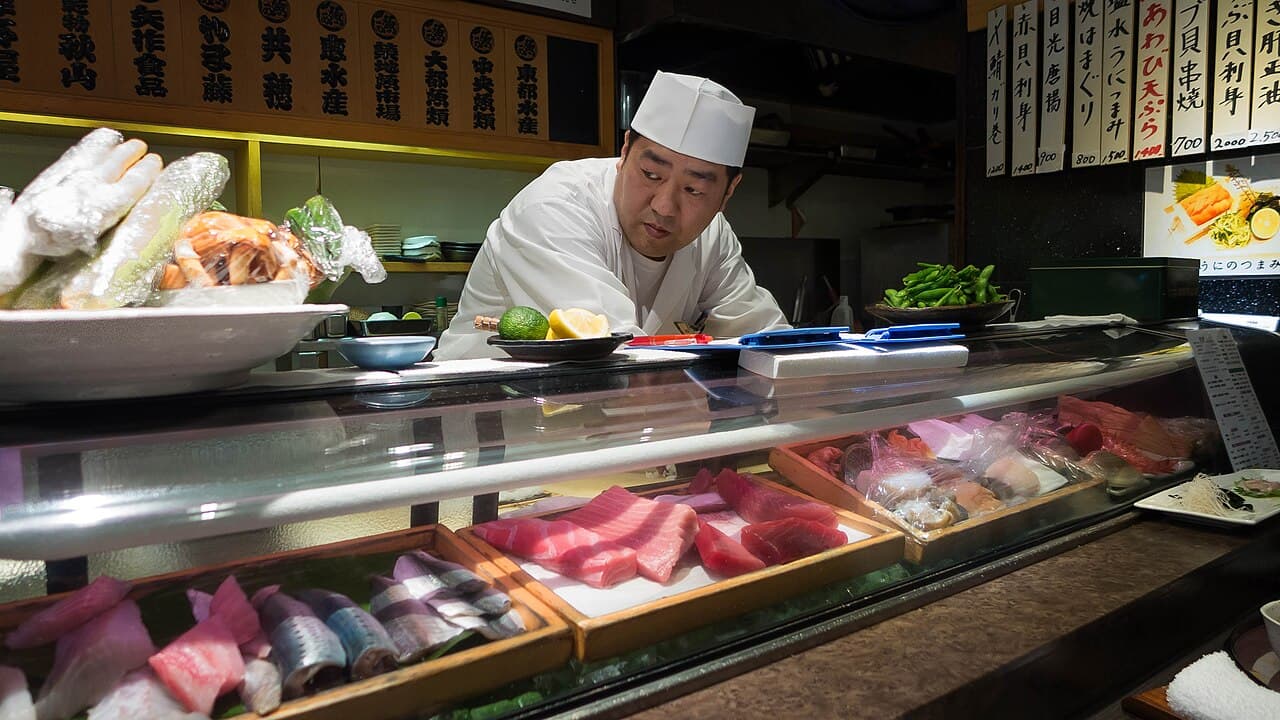
A sushi making class in Tokyo is the most bookable food experience in Japan: you stand at a counter beside a chef, season the rice, learn the hand shape, and press real nigiri yourself — then eat everything you made. English-friendly classes run daily in Asakusa, Tsukiji and Nakameguro, from about ¥13,000 for a 1.5-hour class (as of July 2026) up to about ¥17,600–¥19,500 for market-tour combos and restaurant masterclasses. Book online a few days ahead — the small classes fill first.
This page is the honest go-info: the two formats, three operators we verified directly (plus one platform option), real prices, and the etiquette nobody tells you.
Class only, or market tour + class? (choose before you book)
Tokyo sushi classes come in two shapes:
- Hands-on class only (1.5–2 hours) — you go straight to the studio or restaurant, learn shari (seasoned sushi rice), nigiri and maki rolls, and eat your work as the meal. Cheapest, easiest with kids or a tight itinerary.
- Market tour + class (3–4 hours) — you first walk Tsukiji Outer Market with your instructor, watching how the fish is chosen, then head back to the kitchen and turn the morning's shopping into sushi. Costs more and takes half a day, but it's the version food lovers remember: source-to-plate in one morning.
If you mainly want the hand skills, book the class. If you want to understand why Tokyo sushi tastes the way it does, book the combo.
Where to book (verified, English-friendly)
- Sushi Making Tokyo (Asakusa) — the easy first pick: 3 minutes' walk from Asakusa Station, classes at 10:00 / 12:00 / 14:00 / 16:00 daily, about ¥13,000 for roughly 1.5 hours with a professional English-speaking instructor. Vegan, vegetarian, halal and allergy-friendly versions exist if you ask ahead, and cancellation is free up to 24 hours. Book on the official site.
- TSUKIJI COOKING (Tsukiji) — the market-to-table combo: about one hour shopping in Tsukiji Outer Market, then cooking and eating in their studio nearby (10:00–13:00, about ¥17,600 per person). Classes are conducted in or interpreted into English, and they've welcomed 50,000+ international guests since 2013. Check dates and menus (sushi is one of the options) on the official page; small groups can also book the studio privately.
- NOBU Sushi Making Class TOKYO (Nakameguro) — the craft-deep option: a roughly 2-hour class inside a working sushi restaurant, about 5 minutes from Nakameguro Station, taught by a chef with over 40 years at the counter. You grate real wasabi, learn the knife, and form seven pieces of nigiri and gunkan plus rolled sushi and Japanese omelette, for ¥19,500 per person. Reserve on the official site.
- GetYourGuide — Sushi Making with Pro Chef & Tsukiji Fish Market Tour — if you'd rather book on a platform with flexible cancellation, this ~4-hour guided combo is listed from about ¥15,700 per person (confirm on the listing): see the listing.
Shibuya and Ginza also have classes on the big booking platforms; the four above are the ones we verified directly. Prices move — confirm on the operator's page before you pay.
Honest comparison
| Class | Area / station | English | Price (July 2026) | Duration | Vibe |
|---|---|---|---|---|---|
| Sushi Making Tokyo | Asakusa — 3 min from Asakusa Stn | English-speaking instructor | From about ¥13,000 | ~1.5 h | Casual, family-friendly, dietary options |
| TSUKIJI COOKING | Tsukiji — studio near the Outer Market | Conducted/interpreted in English | About ¥17,600 | 3 h | Market-to-table, small studio |
| NOBU Sushi Making Class | Nakameguro — 5 min from the station | English-friendly | ¥19,500 | ~2 h | Real restaurant counter, deepest craft |
| GetYourGuide Tsukiji combo | Tsukiji | English guide | From about ¥15,700 | ~4 h | Guided group, flexible cancellation |
What actually happens, step by step
- Hands and rice first. You wash up, tie on an apron, and meet shari — sushi rice seasoned with vinegar, sugar and salt. The chef shows you why temperature matters: body-warm rice, cool fish.
- The knife and the fish. Depending on the class you'll watch — or try — slicing the neta (toppings). At NOBU you also grate fresh wasabi.
- Nigiri. The famous part. The chef's hands make it look like one motion; yours will need five or six tries. A good instructor keeps correcting your grip until the rice holds together on the plate but falls apart in the mouth — that is the entire secret of nigiri.
- Maki and extras. Most classes add rolled maki; some include Japanese omelette or miso soup.
- You eat everything. Your platter is the meal, and several classes send you the recipes afterwards.
Etiquette — small things that matter
Skip strong perfume (sushi is judged by aroma), touch the fish as little as possible — warm hands genuinely dull the flavour — and eat each piece soon after it's pressed, exactly as you would at a real counter. Eating nigiri with your hands is proper, not rude. Tell the operator about allergies or halal/vegan needs when you book, not on the day: the fish is bought that morning.
What to wear
Anything casual — aprons are provided. Tie back long hair, keep nails short, and take rings and watches off before you touch the rice. For market combos wear comfortable shoes: the Tsukiji lanes are crowded and you're on your feet for a full hour.
Who it's for — and what to pair it with
Kids genuinely love this one (rolling maki is very forgiving), couples get a great two-hour date, and food-obsessed travellers should take the Tsukiji combo and then keep eating — our sister food guide UMAMI HUNT covers where to eat across Japan, including restaurants that fit vegan, halal and allergy needs.
To build a Tokyo culture day around it, pair the morning class with a calligraphy class or a kintsugi workshop in the afternoon. Heading to Kansai afterwards? Learn what to drink with your sushi at a sake tasting in Kyoto.
Done this and want the harder one? Soba making in Tokyo is kneading, rolling and cutting rather than shaping — and it is where gluten-free travellers need to read the fine print, because almost all soba contains wheat.
- Press real nigiri and roll maki beside a professional chef
- Eat everything you make — that's the meal
- Market-tour combos start with shopping in Tsukiji Outer Market
- Vegan, vegetarian and halal versions exist — ask when booking
Come with clean hands and skip strong perfume — sushi is judged by the aroma of the rice and fish. Handle the fish as little as possible (warm hands genuinely dull the flavour), and eat each piece soon after it's pressed; that's how it works at a real counter too. Eating nigiri with your hands is proper, not rude. Allergies, halal or vegan needs: tell the operator when you book, not on the day — the fish is bought that morning.