
Business Card Etiquette in Japan: How to Give and Receive a Meishi

Quick answer
In Japan, hand over your business card (meishi, 名刺) with both hands, text facing the other person so they can read it right away, with a slight bow. Receive their card the same way, with both hands, and take a moment to actually read it before putting it away carefully — never in a back pocket, never written on, never folded. The exchange is treated as a small gesture of respect toward the person, not a transaction of paperwork.
What a meishi actually is
A meishi is a compact card, slightly larger than the standard US business card, that carries a person's company name (usually in the largest type), job title, and name — often in Japanese on one side and Roman letters on the reverse. According to Wikipedia's entry on business cards, many Japanese professionals carry two versions: one for domestic exchanges and one romanized for international contacts. What makes the Japanese meishi different isn't the paper — it's the weight given to the ritual around it. The card is treated as standing in for the person: their company, their role, their standing. Treating it carelessly is read as treating the person carelessly.
The common misconception
Visitors sometimes assume the exchange is just a faster, more polite version of swapping contact details, and that a quick glance-and-pocket is fine as long as you say thank you. In practice, the sequence matters: presentation, reception, and the pause to actually read the card are three distinct, deliberate steps, not one motion. Skipping the reading step, or sliding the card straight into a pocket, can genuinely register as rude rather than merely casual — sources note that storing a card in a back pocket, folding it, or writing on it in front of the giver are considered real faux pas, not minor slips.
How the exchange actually works
- Who goes first: the visitor, or the person of lower rank, generally presents their card first, according to etiquette guides such as ejable.com.
- How to present: hold your card at the top two corners, facing the recipient right-side-up, and offer it with a slight bow.
- How to receive: take the offered card with both hands at the bottom two corners, avoiding covering the printed text with your fingers.
- After receiving: pause to actually read the name and title, acknowledge it verbally, then place the card on the table in front of you for the duration of the meeting rather than putting it away immediately — in group settings, cards are often laid out to mirror where each person is seated.
- Rank order: when people of different seniority are exchanging cards, the lower-ranking person is expected to offer their card positioned slightly below the senior person's card.
- What to avoid: writing on a card in front of its owner, folding it, tucking it in a back pocket, or leaving it behind on a table when you leave.
How you might encounter this as a first-time visitor
Most travelers won't do formal business in Japan, but meishi customs surface more often than you'd expect — at a ryokan check-in with a manager, during a guided cultural or craft workshop, or if you're introduced to an artisan, shop owner, or tea instructor as part of a booked experience. If someone hands you a card this way, mirror the basics: receive with both hands, glance at it with genuine attention rather than immediately pocketing it, and keep it visible (on the table, or in a card case) rather than shoving it away. You don't need a card of your own to participate politely — simply receiving one correctly is enough to signal that you understand the gesture is about the person, not the paper.
FAQ
- Do I need my own business card as a tourist in Japan?
- No. Meishi exchange is a business and professional custom, not a general social one. As a visitor you're unlikely to need your own card, but you may still receive one from a host, guide, or shop owner — knowing how to receive it politely (both hands, a brief look, no immediate pocketing) is the useful part.
- What happens if I accidentally put a meishi straight into my pocket?
- It's a minor cultural misstep rather than a serious offense for a foreign visitor, and most Japanese people will make allowances for someone clearly unfamiliar with the custom. Still, etiquette guides consistently flag it as something to avoid, especially in a formal business setting, since it can read as dismissive of the person who gave it to you.
- Is it true you should never write on someone's business card?
- Yes — writing on a card in front of the person who gave it to you is considered disrespectful across the sources reviewed, since the card represents the person. Some professionals do jot notes on cards later for their own records, but not in the giver's presence.
- Why do Japanese business cards get treated so formally compared to Western ones?
- The meishi is treated as a stand-in for the person's identity and status, not just a contact record, so the ritual of presenting, receiving, and reading it carefully is a way of showing respect to the individual, not just efficient information exchange.
Related
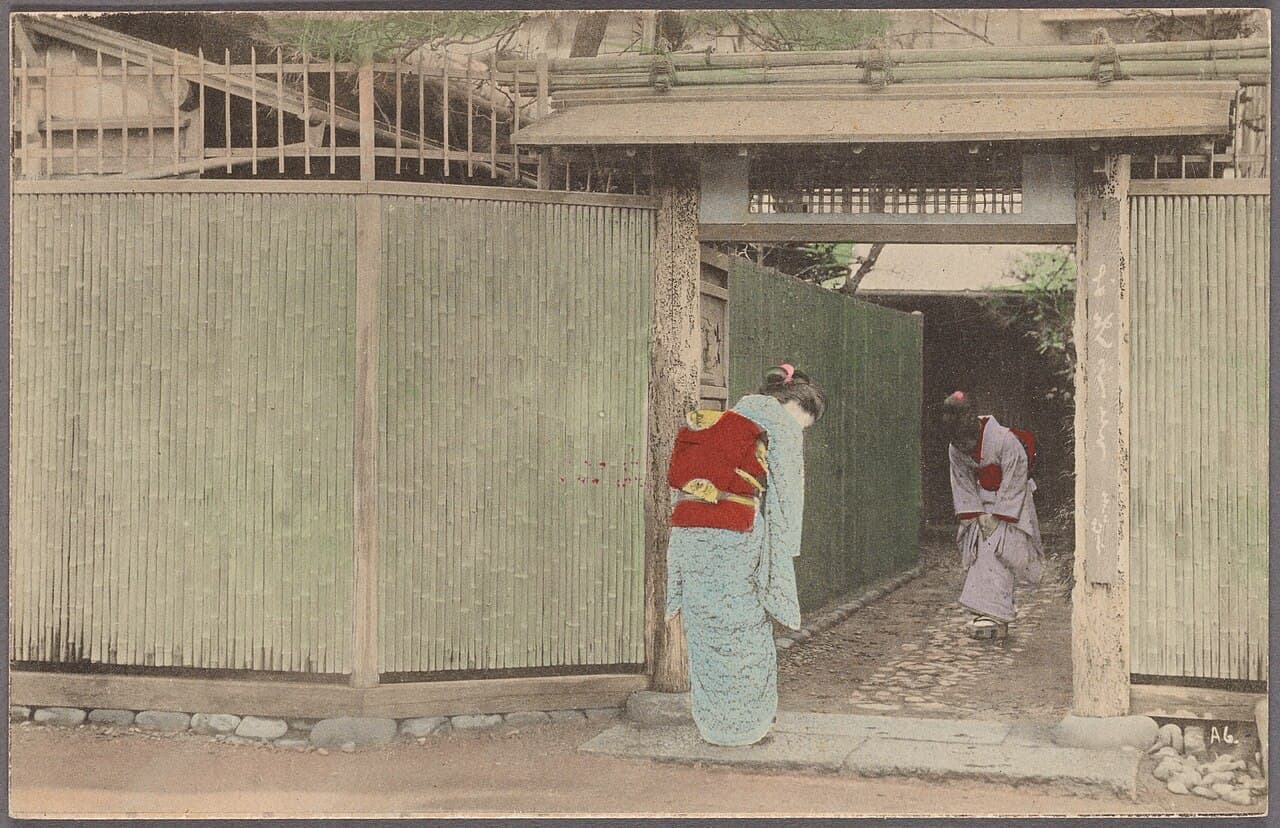
What Is Omotenashi? Japan's Idea of Hospitality, Explained
Omotenashi is hospitality given with nothing expected in return — and it's the real reason nobody in Japan expects a tip.
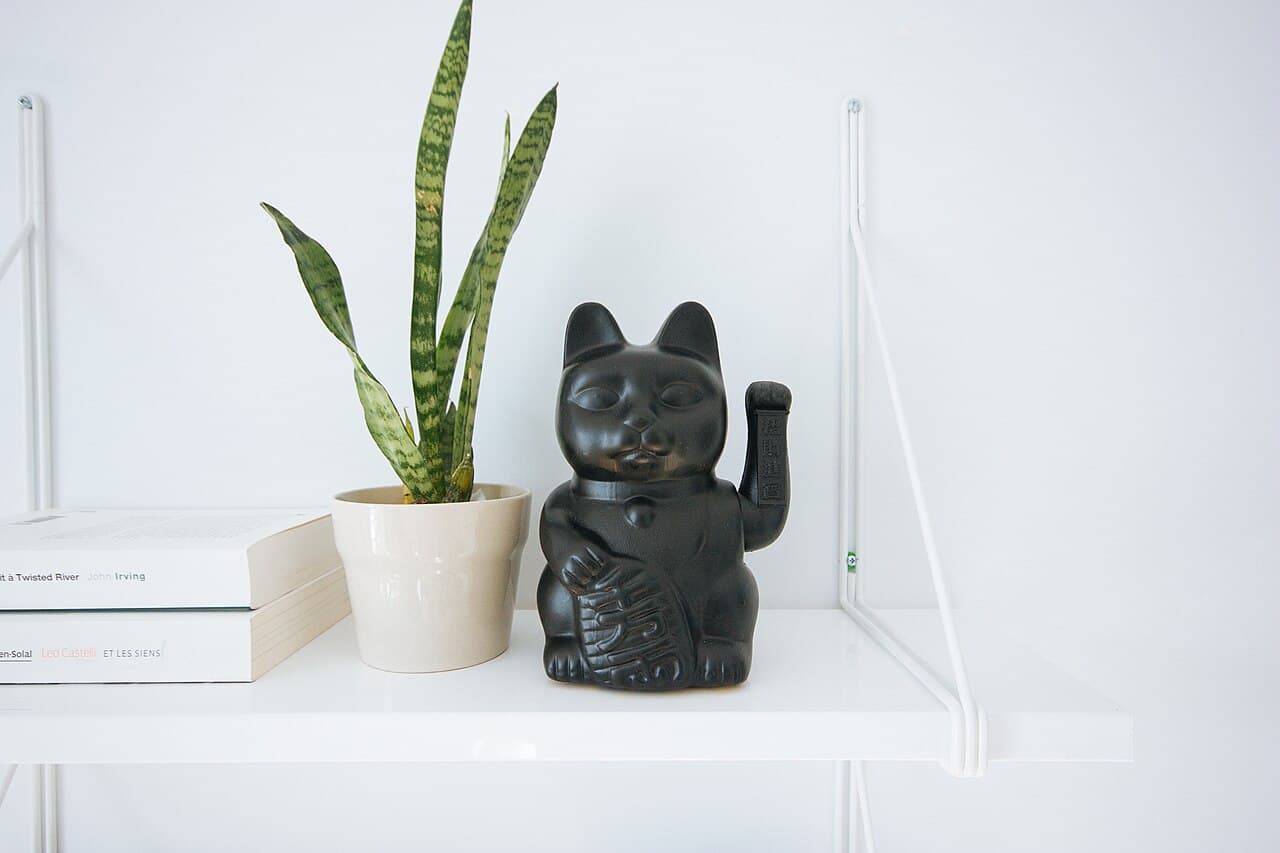
Japanese Superstitions Every Visitor Should Know
From the unlucky number 4 to why nobody whistles at night — the small beliefs that quietly shape everyday life in Japan.
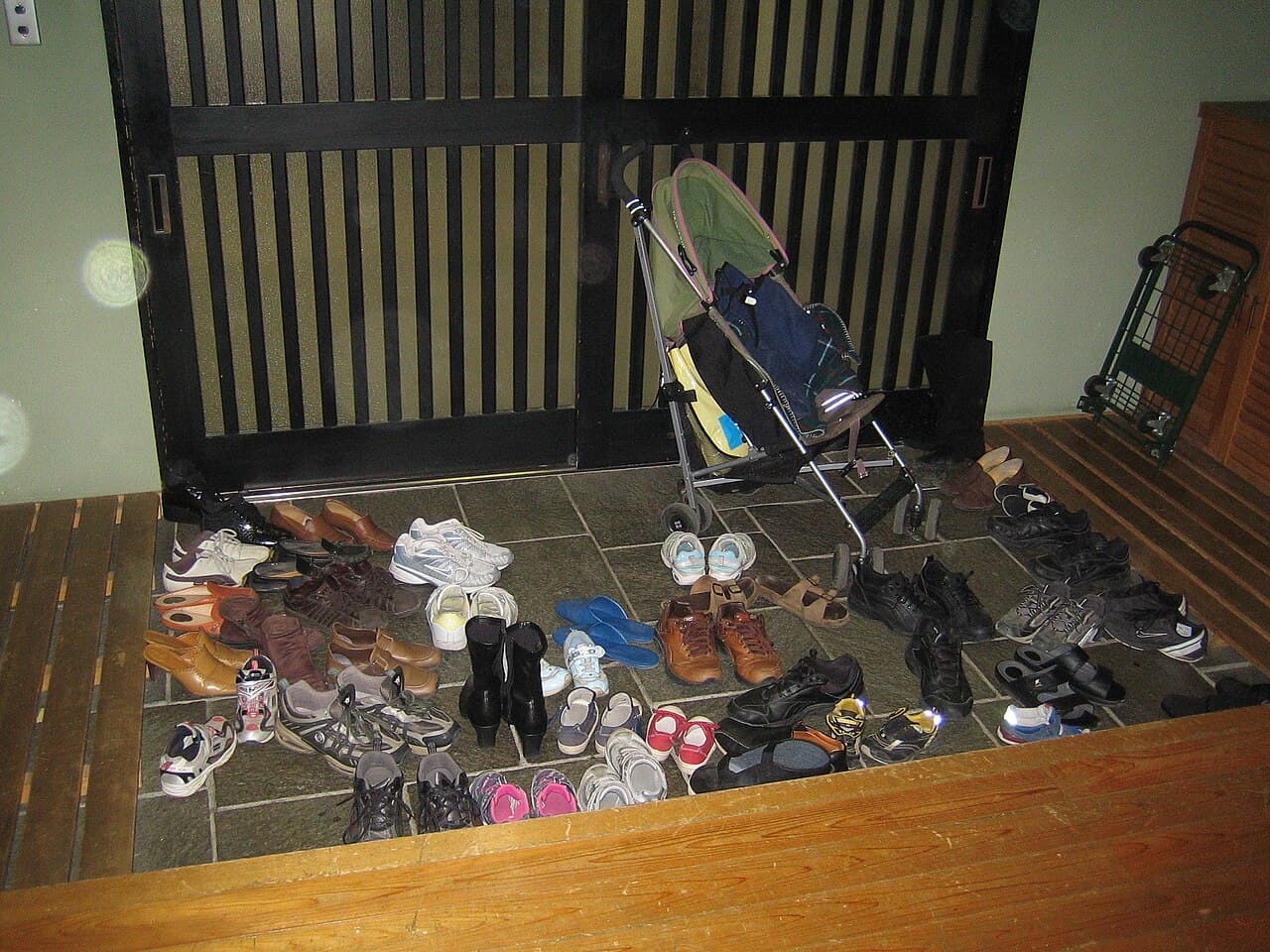
Do You Have to Take Your Shoes Off in Japan? The Genkan Rules Explained
Yes — in homes, ryokan, many temples and any tatami room. The entryway (genkan) marks a firm line between outside and in.