
Autumn Leaves in Kyoto 2026: Where & When to See Fall Foliage
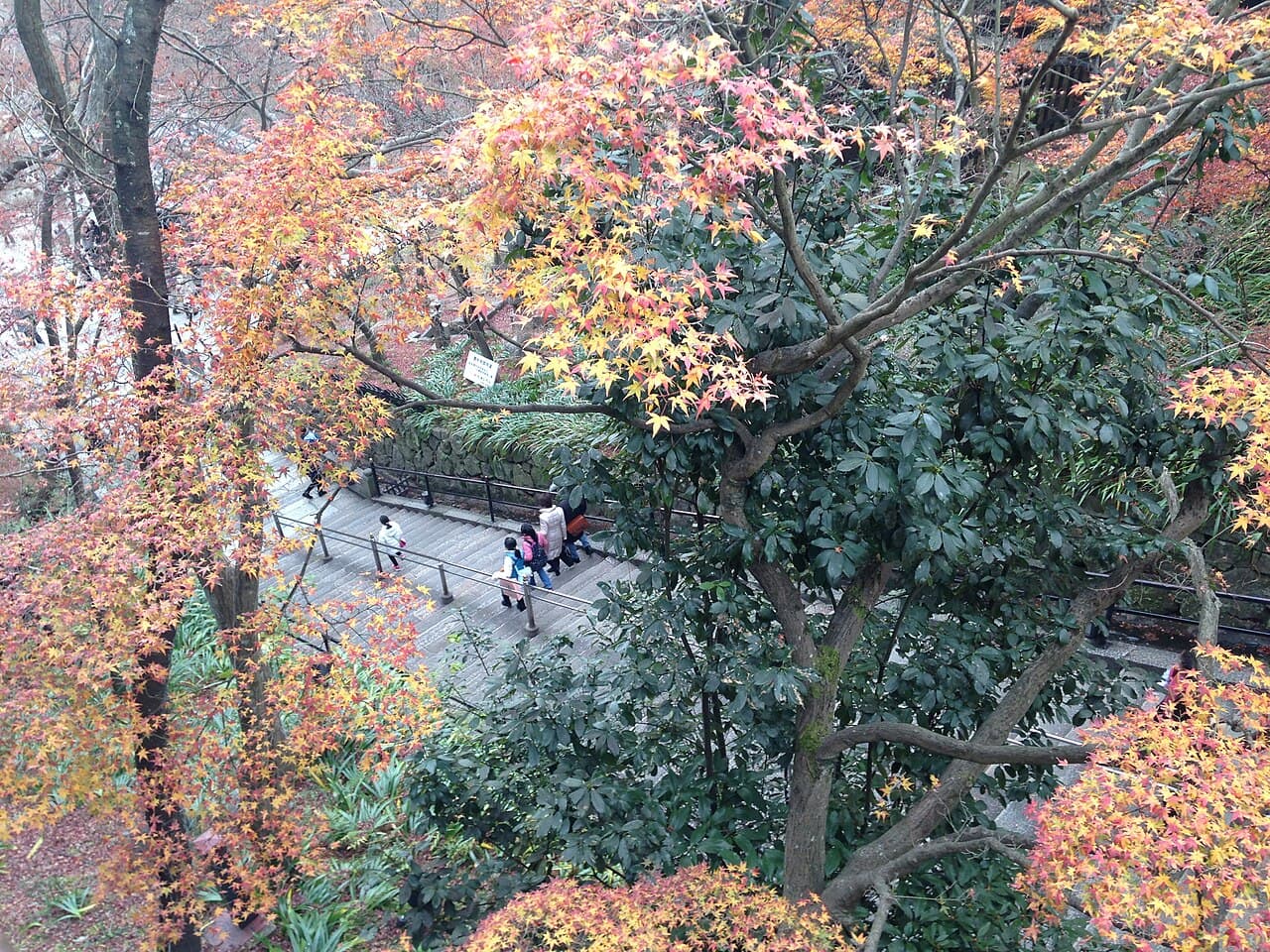
Kyoto's autumn leaves (koyo) usually reach their best in the second half of November 2026, though warm autumns have been pushing the peak later — often late November into early December. Individual spots range from mid-November to early December depending on elevation, so pick your temples by timing and always check the koyo (紅葉) forecast close to your trip (as of 2026). Many gardens light up at night, too.
When is the peak in 2026?
There is no single "koyo day" — the leaves shift a week or more each year, and recent warm autumns have trended toward a late-November peak that often extends into early December. Rather than trust one date, check a live forecast a week or two before you go:
- tenki.jp and Weathernews koyo maps
- Walkerplus (koyo.walkerplus.com)
- japan-guide's annual Autumn Color Report
Elevation is your cheat sheet. Higher, northern spots color first; low city-center temples run last.
- Early–mid November: Kibune/Kurama, Ohara, Takao (higher elevation)
- Mid–late November: Tofukuji (slightly ahead of the late spots)
- Late November–early December: Eikando, Kiyomizu-dera, Nanzenji, Arashiyama
Best spots at a glance
| Spot | Area | Typical peak | Night light-up? | Access |
|---|---|---|---|---|
| Tofukuji | Southeast Kyoto | Mid–late Nov | No (daytime only) | Tofukuji Stn (JR/Keihan), 10 min walk |
| Eikando | Higashiyama | Late Nov–early Dec | Yes (~¥800) | Bus to Nanzenji/Eikando-michi |
| Kiyomizu-dera | Higashiyama | Late Nov–early Dec | Yes (~¥500) | Kiyomizu-Gojo Stn, uphill walk |
| Arashiyama (Tenryuji) | West Kyoto | Late Nov–early Dec | No (Tenryuji daytime) | Saga-Arashiyama / Arashiyama Stn |
| Nanzenji | Higashiyama | Late Nov–early Dec | No (free grounds) | Keage Stn, 10 min walk |
| Kodaiji | Higashiyama | Late Nov–early Dec | Yes (~¥600) | Bus to Higashiyama-Yasui |
| Rurikoin | Yase (north) | Nov (special opening) | Reservation only (~¥2,000) | Eizan Line to Yase-Hieizanguchi |
| Kibune/Kurama | North (higher) | Early–mid Nov | Lantern festival + Eizan "momiji tunnel" | Eizan Line to Kibune-guchi |
Free vs paid
Plenty of Kyoto's best color is free: Nanzenji's brick Suirokaku aqueduct framed by maples, the Arashiyama riverside around Togetsukyo bridge, and the walking paths of Higashiyama. Paid temple gardens run roughly ¥300–¥1,000 for daytime entry — Tofukuji's Sengyokukan ravine (~2,000 maples viewed from the Tsutenkyo and Gaunkyo bridges), Eikando ("Momiji no Eikando," ~3,000 maples), and Tenryuji's Sogenchi garden are worth every yen.
Night illuminations
Several temples run magical evening light-ups (2025 dates below as a template — 2026 dates expected similar; confirm on each official temple site):
- Eikando — 2025 ~Nov 15–Dec 10, 17:30–21:00, ~¥800
- Kiyomizu-dera — 2025 ~Nov 22–Dec 7, 17:30–21:30, ~¥500
- Kodaiji — one of the longest, 2025 ~Oct 24–Dec 14, 17:00–22:00, ~¥600
- Chion-in — 2025 ~Nov 19–Dec 7, 17:30–21:30
- Kitano Tenmangu — 2025 ~Nov 1–Dec 7, sunset–20:00 (includes tea)
- Shoren-in — 2025 ~Nov 7–Dec 7, 18:00–22:00
- Rurikoin — reserved "special nighttime entry" (~150 people/day) only in Nov–Dec, prior reservation required
Note: Tofukuji and Nanzenji do not hold official evening illuminations — they're daytime only.
Beat the crowds
Kyoto in koyo season is busy, so plan around it:
- Arrive at opening. Tofukuji opens ~08:30; the Tsutenkyo bridge is calm if you queue ~15 minutes early, but it becomes a wall of tour groups by 10:00.
- During peak season Tofukuji has restricted personal photography on the Tsutenkyo bridge for crowd control — verify the current-year signage, and note you can still shoot from Gaunkyo bridge looking toward Tsutenkyo.
- Reserve Rurikoin online for peak weekends; its viral lacquered-table reflection draws long queues.
Pair your leaf-hunt with a cultural experience
Autumn mornings are perfect for foliage; save the afternoon for something hands-on. Try a Kyoto tea ceremony in a machiya townhouse, or book a geisha experience in Kyoto for an unforgettable evening in Gion. For dated momiji festivals and light-up events across Japan, check the seasonal calendar at japan-event.info.
FAQ
When do the autumn leaves peak in Kyoto in 2026? Typically in the second half of November, increasingly late November into early December. There's no fixed date — check the koyo forecast (tenki.jp, Weathernews, Walkerplus, or japan-guide's Autumn Color Report) a week or two before your trip.
Where are the best autumn leaf spots in Kyoto? Tofukuji, Eikando, Kiyomizu-dera, Arashiyama (Tenryuji), Nanzenji and Kodaiji are perennial favourites. Rurikoin and the Kibune/Kurama area are quieter, more special-feeling alternatives.
Is it free to see the autumn leaves? Much of it is — Nanzenji's aqueduct and the Arashiyama riverside are free. Paid temple gardens run about ¥300–¥1,000 for daytime entry, and night illuminations cost roughly ¥500–¥800.
How do I get there? Most spots are reachable by Kyoto city bus or train. Tofukuji is a short walk from Tofukuji Station; Arashiyama has its own stations; Rurikoin is on the Eizan Line at Yase-Hieizanguchi.
Which temples light up at night? Verified evening illuminations include Eikando, Kiyomizu-dera, Kodaiji, Chion-in, Kitano Tenmangu and Shoren-in, plus reservation-only Rurikoin. Tofukuji and Nanzenji are daytime only.
How do I avoid the crowds? Arrive right at opening (Tofukuji opens ~08:30 — queue by ~08:15 to beat the 10am tour buses) and visit on weekdays where possible. Reserve Rurikoin online for peak weekends.
Is it worth it? Absolutely — Kyoto's maple valleys, temple gardens and night light-ups are among the finest autumn scenery in the world, well worth building a trip around.