
What to expect
A Kyoto kimono photoshoot splits cleanly into two purchases: the garment rental (kimono, obi, undergarments, wig or hairstyling, and geta or zori) and the photography package (a professional photographer who accompanies you to one or more scenic spots and hands over edited digital files afterward). Every operator we checked — Yumeyakata, MOCOMOCO, wargo, and VASARA — bills these as two separate line items, so budget for both rather than assuming the photo-plan price already includes the outfit.
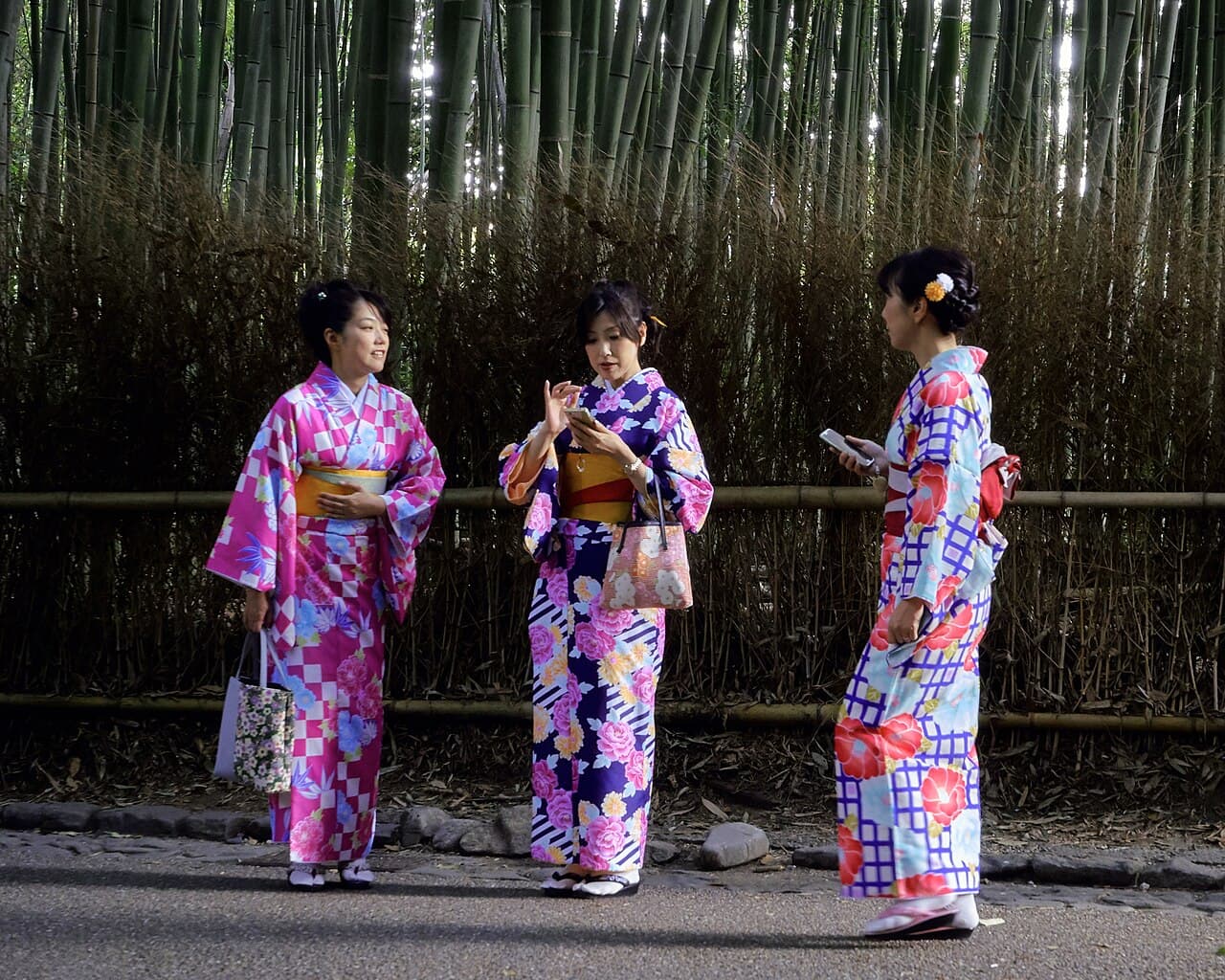
Expect roughly 30 minutes to 2 hours on location, depending on the course. MOCOMOCO's 30-minute Trial Course (¥9,900) is the fastest and cheapest confirmed pro-photographer package we found in the city, yielding about 50–70 shots with 5 retouched images delivered — enough for a solid set of portraits without eating your whole afternoon. At the other end, Yumeyakata's Full Day Course (from ¥78,000) or its Arashiyama Course (¥33,000, bamboo-grove backdrops) suit visitors who want a genuine multi-location shoot, and you can pay an extra ¥3,300 to request a specific photographer.
Choosing between the packages
The four operators split into rough tiers. MOCOMOCO (Arashiyama, Kiyomizu-dera, Fushimi Inari, and Gion branches) has the cleanest published pricing: Trial (30 min, ¥9,900), Standard (60 min, ¥15,400), and Premium (90–120 min, from ¥22,000), each with a stated number of retouched deliverables. Yumeyakata, based near Gojo, offers the widest menu of themed courses and lets you name your photographer for a fee — best if you already know you want an Arashiyama or Higashiyama backdrop. wargo's in-house "Type A" option (from ¥16,500 for 30 minutes, bookable at its Kyoto Station and Gion locations) also edits your photos and sits in the middle price-wise; note that wargo's cheaper "Type B" partner-photographer plan is Tokyo-only and not offered in Kyoto. VASARA, at Kyoto Station, charges a flat ¥27,500 (¥30,800 in peak cherry-blossom or autumn-foliage months, plus ¥5,500 on weekends) for a 50-photo Location Photo Plan — but it's the one operator that explicitly does not retouch the images, which matters if you're comparing on "photos delivered" alone. All four apply roughly 15–20% peak-season surcharges around late March–early April and November, and slots fill fast, so book a week or more ahead in those windows. For a broader look at whether the whole rental experience is worth it, see our kimono rental guide.
Etiquette and practical notes
Once dressed, let staff — not yourself — readjust the collar or obi if it slips; kimono are tied rather than buttoned, and pulling the wrong fold can undo the whole outfit before your shoot even starts. Small, careful steps are normal in geta or zori, especially on Kyoto's uneven stone lanes around Gion and Higashiyama, so build extra walking time into your schedule between spots. If your course involves a temple, shrine, or garden — Yumeyakata's Shoseien Japanese Garden Course, for example — you're typically responsible for that site's own admission fee and any photography permit, so confirm with the operator before you go. For the fuller etiquette picture across Kyoto's cultural experiences, see our Kyoto cultural experiences guide.
Getting there
Branches cluster around Kyoto's classic photo backdrops rather than one central hub. MOCOMOCO has shops a couple of minutes from Arashiyama's Randen (Keifuku) station, Kiyomizu-dera, Fushimi Inari's west gate, and Gion. wargo has a Kyoto Station location (about 2 minutes from the Central Exit) and a Gion-Shijo location (about 1 minute from Gion-Shijo Station). VASARA is inside the Kyoto Station SK Building, about a 2–3 minute walk from the JR Central Exit. Yumeyakata's dressing shop is near Gojo, a short taxi or bus ride from central Kyoto. Since the photographer usually walks you from the shop to the shoot location, picking a branch near the backdrop you actually want photographed will save the most time.
- MOCOMOCO's 30-min Trial Course (¥9,900) is the cheapest confirmed pro-photographer package in Kyoto — about 50–70 shots taken, 5 retouched images delivered
- Yumeyakata's Arashiyama Course (¥33,000) shoots against the bamboo grove and lets you request a specific photographer for +¥3,300
- wargo's Type A in-house option (from ¥16,500 for 30 min) books at both a Kyoto Station and a Gion storefront, with retouched photos included
- VASARA's Kyoto Station Location Photo Plan (¥27,500–30,800) includes 50 digital photos but explicitly skips retouching — worth knowing before you compare
Once you're dressed, let staff adjust the obi or collar if it loosens rather than fixing it yourself — kimono are tied, not buttoned, and pulling the wrong fold can undo the whole outfit. Small, careful steps are normal in geta or zori, especially on Kyoto's uneven stone lanes, so build extra time into your walk between photo spots. For the fuller rundown, see our kimono rental guide.