
Train Etiquette in Japan: What Tourists Actually Need to Know
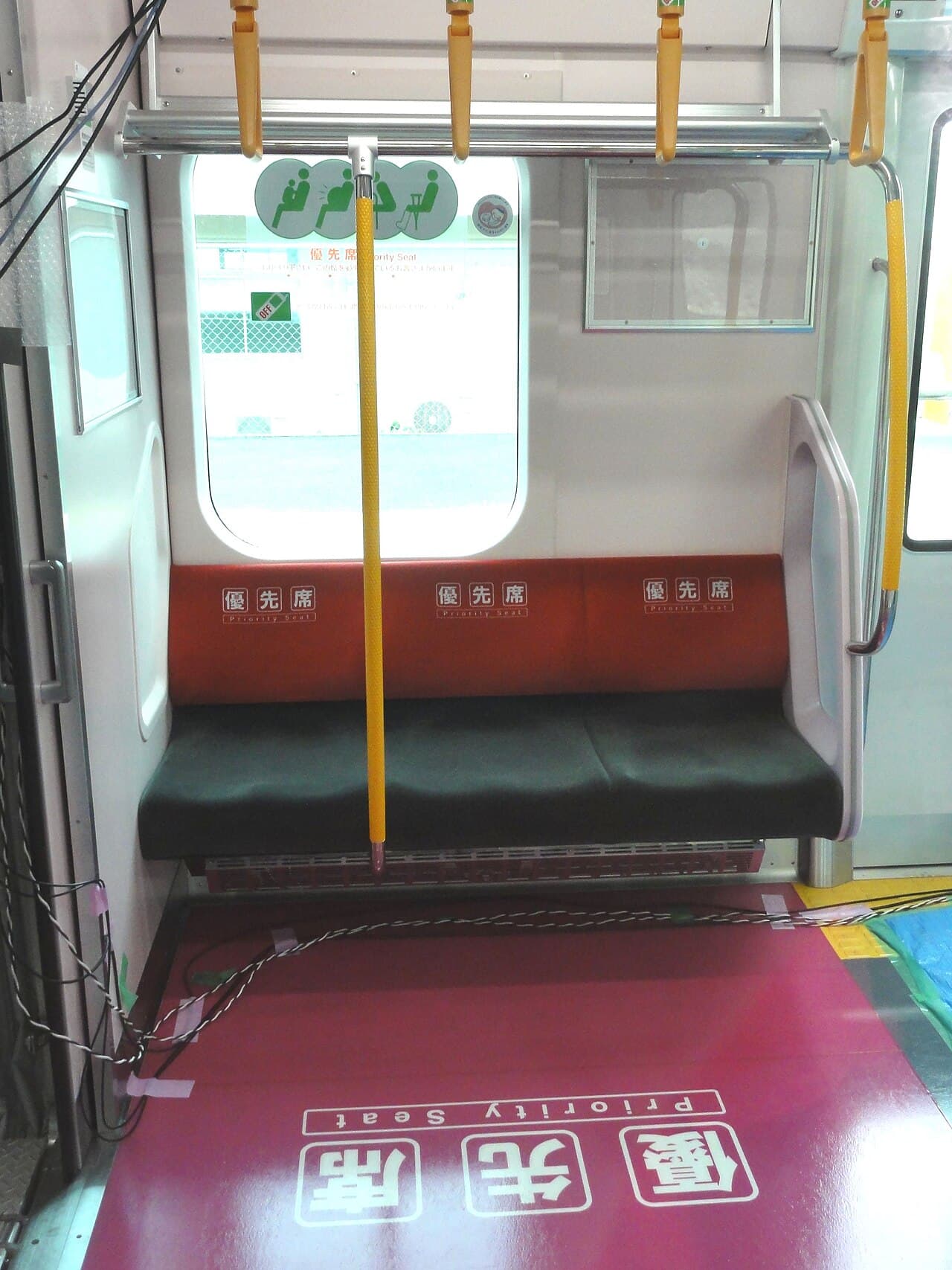
The short answer: keep your phone on silent and take calls in the space between cars, offer your seat to anyone near the priority area who might need it, and know that eating is completely normal on the Shinkansen but not on your local commute. Almost everything else you'll read about Japanese train etiquette is either a strong social norm (not a law) or a regional habit that varies by city — here's what's actually true, and where guides tend to overstate the rules.
Phones and noise
Phone calls are not made inside the train car. If a call is urgent, step into the vestibule between cars and take it there — nobody will stop you, but it's the accepted move. You don't need to power your phone off; keeping it on silent ("manner mode," or manaa moodo) is enough. The same logic applies to conversation generally: quiet is the default, and loud group chatter or a phone call on speaker stands out. If you're wearing earphones, keep the volume low enough that it doesn't leak — sound bleeding out of headphones on a quiet car is a common, quietly-noticed annoyance.
Priority seats — and the Help Mark
Priority seats (usually near the train's doors, often in a different seat color) are set aside for elderly passengers, pregnant women, people with disabilities, and those travelling with small children. If you're sitting there and one of these passengers is standing nearby, offer your seat. Look out too for Japan's Help Mark — a small red tag with a white heart and cross, worn on a bag or clipped to clothing — which signals an invisible condition (an internal illness, early pregnancy, a prosthetic limb) that isn't visible from across the car. Treat it exactly as you would an obviously visible need.
Which side do you stand on the escalator?
This is real, but it's regional, not universal: in Tokyo (and most of Japan), people stand on the left and leave the right side open for walkers; in Osaka, it's reversed — stand right, walk left. The Osaka habit traces to a 1967 announcement at Umeda Station asking riders to keep the left clear; Tokyo's left-standing norm developed later, in the late 1980s. Here's the honest caveat most guides skip: escalators aren't designed for walking on in the first place, and Japan's escalator-safety campaigns (backed by the Japan Elevator Association) now ask everyone to simply stand still, holding the handrail, on both sides. If you're unsure which side is "correct" locally, standing still and not blocking either side is the safest choice everywhere.
Women-only cars during rush hour
Many operators run women-only cars on weekday mornings and evenings — roughly 7:30–9:30am and 5:30–8:00pm, though the exact hours and which cars are designated vary by railway company and line. Pink markings on the platform floor, pink signs on the pillars, and pink stickers on the train doors mark them. They started spreading in the early 2000s as a response to chikan (groping) on crowded commuter trains. The rule is enforced socially, not legally — young boys and a male caregiver accompanying a passenger with a disability are typically still welcome — and women-only cars are not run on the Shinkansen.
Eating on the train
Eating on a local or commuter train is generally seen as inconsiderate — the car is crowded, the ride is short, and it isn't the norm. Long-distance trains are the opposite: on the Shinkansen or a limited express, pulling out an ekiben (a bento sold at stations specifically for train travel) is completely normal, expected even. If chopsticks are involved, the same table manners apply as anywhere else in Japan — see our chopstick etiquette guide for the handful of gestures actually worth avoiding.
Boarding, queueing, and luggage
Platforms mark where each door will line up with painted floor markers — queue there, in order, rather than clustering around the doors. Don't spread bags or luggage across an empty seat next to you if the car is even moderately full, and when it's crowded, take your backpack off your back and hold it in front of you or between your feet to free up space for other passengers.
FAQ
Can I talk on the phone on a train in Japan? No — phone calls aren't taken inside the car. If it's urgent, move to the vestibule between cars, and otherwise keep your phone on silent ("manner mode").
Do I have to give up my seat on a Japanese train? Priority seats are reserved for elderly passengers, pregnant women, people with disabilities, and those with small children. Offer your seat if one of them — or someone wearing the red Help Mark — is standing nearby.
Which side do I stand on the escalator, left or right? Tokyo: stand left, walk right. Osaka: stand right, walk left. But current safety guidance asks everyone to just stand still on both sides rather than walk past — if in doubt, don't block either side.
Can men ride in women-only train cars? No, not during the designated hours — they're reserved for female passengers, with typical exceptions only for young boys and a caregiver assisting a disabled passenger. It's a strong social norm rather than a law, and it doesn't apply on the Shinkansen.
Is it OK to eat on a Japanese train? Not on a local or commuter train — it's considered inconsiderate given how crowded and short those rides usually are. On the Shinkansen or a limited express, it's completely normal; an ekiben bento is part of the experience.
Can I bring large luggage on a regular train? It's best avoided on crowded commuter trains. Follow the floor markings for where each door lines up, queue in order, and don't take up more than your own seat with bags.
Preguntas frecuentes
- Can I talk on the phone on a train in Japan?
- No — phone calls aren't taken inside the car. If it's urgent, move to the vestibule between cars, and otherwise keep your phone on silent ("manner mode").
- Do I have to give up my seat on a Japanese train?
- Priority seats are reserved for elderly passengers, pregnant women, people with disabilities, and those with small children. Offer your seat if one of them — or someone wearing the red Help Mark — is standing nearby.
- Which side do I stand on the escalator, left or right?
- Tokyo: stand left, walk right. Osaka: stand right, walk left. But current safety guidance asks everyone to just stand still on both sides rather than walk past.
- Can men ride in women-only train cars?
- No, not during the designated hours — they're reserved for female passengers, with typical exceptions only for young boys and a caregiver assisting a disabled passenger. It doesn't apply on the Shinkansen.
- Is it OK to eat on a Japanese train?
- Not on a local or commuter train. On the Shinkansen or a limited express, it's completely normal — an ekiben bento is part of the experience.
- Can I bring large luggage on a regular train?
- It's best avoided on crowded commuter trains. Follow the floor markings for where each door lines up, queue in order, and don't take up more than your own seat with bags.