
What to expect
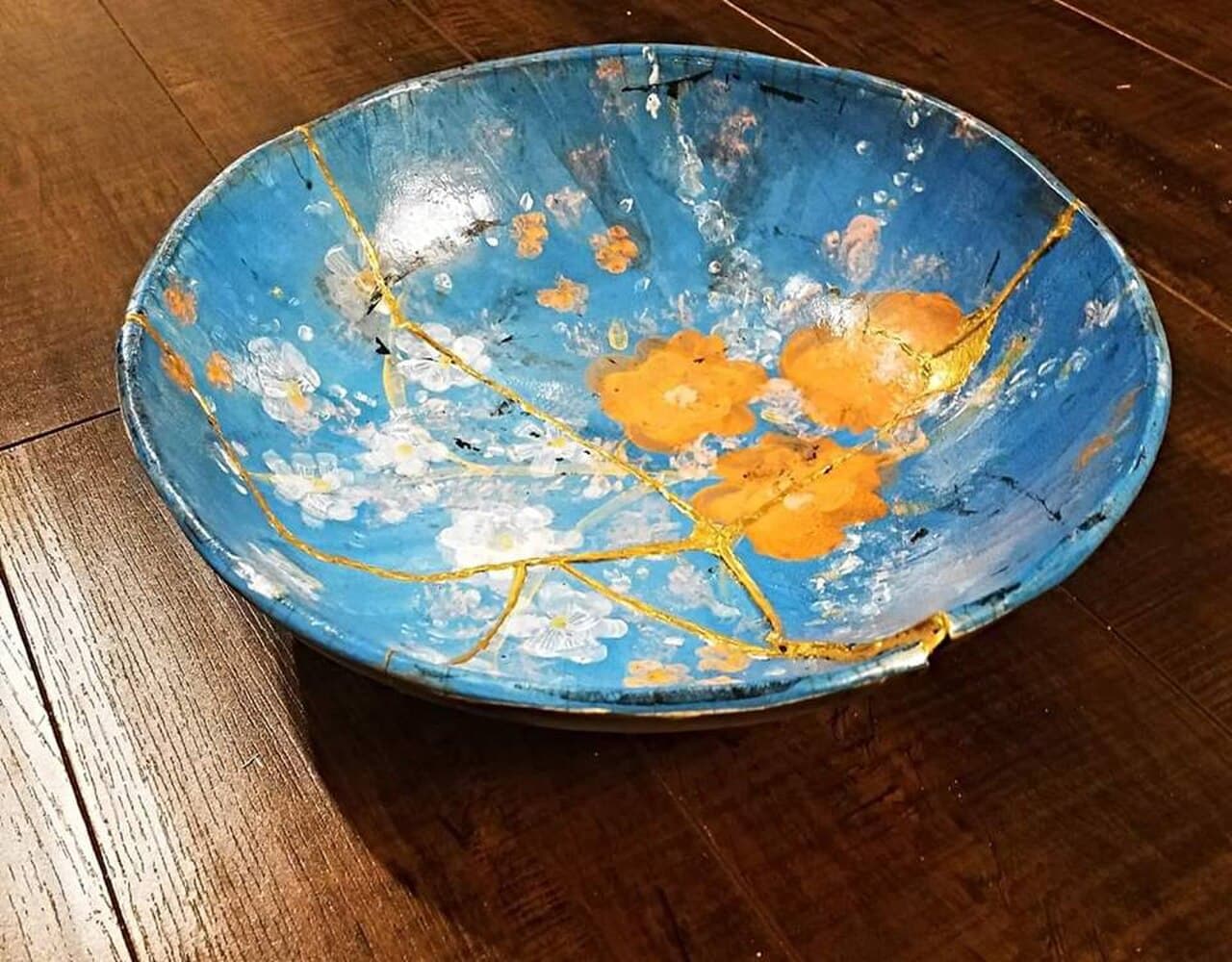
Both bookable Osaka kintsugi workshops run through international OTAs rather than a single dedicated studio — you register online, and a real Osaka-based instructor guides you through joining broken ceramic pieces, filling the gaps, and painting the seams with gold (or gold-toned) powder. At the Namba workshop, small classes of up to five or six people spend about 1.5–2 hours with an English-speaking instructor named Joe, working with all materials supplied, and finish with a cup or plate to keep — some sessions add a short visit to a nearby shrine. At the central-Osaka "Beauty in Brokenness" workshop, groups of up to eight spend roughly 2.5–3 hours in a converted historic building — said to be a century-old former print shop for a Japanese whisky label — with laminated English instructions and a master craftsman guiding the repair. No pottery experience is required at either.
Be aware: both workshops use synthetic lacquer or resin plus a gold or gold-toned powder rather than the traditional urushi lacquer that needs weeks to cure. That's completely normal for a 1.5–3 hour tourist class — it's an honest introduction to the craft, not a professional restoration — and it's why you get to walk out with your piece the same day.
Why choose this vs the alternatives
Osaka options are genuinely limited: TSUGU TSUGU, the best-known English-friendly kintsugi brand, only operates in Tokyo (Ebisu and Asakusa — see our Tokyo kintsugi class guide if that fits your itinerary better). MAIKOYA's page is titled "Kintsugi Experience Osaka" but currently states the class runs in Kyoto instead — email osaka@mai-ko.com to check before assuming an Osaka date exists. That leaves the two OTA-listed workshops above as the verified, currently-running Osaka options, both confirmed English-friendly and cross-listed on Tripadvisor. Pick the Namba class if you want a tighter group and a quick, central meeting point; pick "Beauty in Brokenness" if you'd rather spend a full afternoon in a characterful old building and don't mind a slightly larger group.
Etiquette, briefly
Kintsugi's whole ethos is patience over perfection — wobbly gold lines are the point, not a flaw. The one practical caution, stated in the Namba operator's own booking terms: it's not recommended for pregnant travellers or anyone with a serious heart condition or a known lacquer/resin allergy, since sessions involve close work with adhesives and gold powder — flag any of these before you book (the GetYourGuide studio doesn't publish an equivalent notice, so confirm directly with them if in doubt). For the deeper philosophy behind mending things with gold, see what wabi-sabi means; if you're building a wider Kansai cultural itinerary, our Kyoto cultural experiences guide is a good next stop.
Getting there
The Namba workshop meets at "Mansion New Namba," 2-6-30 Motomachi, Naniwa-ku — opposite a ramen shop called Honoru; neither operator states one definitive nearest station, but Namba is served by Nankai Namba and Nippombashi stations, both roughly a 10–15 minute walk depending on your exit, so budget time and confirm the exact walk once you book. The "Beauty in Brokenness" studio's precise address isn't published in advance either — it's sent after you reserve, and transport isn't included, so plan your own way there. Both operators offer free cancellation up to 24 hours before the session, so it's low-risk to lock in a slot early in your trip and adjust later if plans change.
- Small classes — max 5–6 people (Namba) or 8 people (Beauty in Brokenness)
- Mend a real ceramic piece with gold powder and take it home the same day
- Beauty in Brokenness is held in a converted building said to be a century-old former whisky-label print shop
- Free cancellation up to 24 hours before either session
Kintsugi rewards patience, not perfection — a wobbly gold seam is the point, not a mistake. The real precaution, stated in the Namba operator's own booking terms: this class isn't recommended for pregnant travellers or anyone with a serious heart condition or a known lacquer/resin allergy, since sessions involve close work with adhesives and gold powder — flag any of these before you book. (The GetYourGuide studio doesn't publish an equivalent notice, so confirm the same with them directly if in doubt.)